Dr. Yaniv Larish specializes in micro-surgery to reverse vasectomies.

Vasectomy Reversal NYC Couple with Baby 10

Dr. Larish performs vasectomy reversal micro-surgery at Gramercy Surgery Center. This state of the art facility utilizes the most modern and advanced high quality surgical microscope, micro-instruments and the most highly trained nurses and support staff.

Dr. Larish has helped many men successfully reverse their vasectomies.

Call today for a consultation:

(646) 862-5500


Blog Posts Are Below:


Author Archives: Julio

What Is Vasectomy Reversal?

Are you thinking about having a vasectomy reversal? Many men who made the decision to have a vasectomy but now want to have children see this procedure as a potential benefit. In many cases, it can be very successful and gives you the ability to help conceive a child in the natural way. However, it is a complex process and one that men need to understand before they elect to go through with it.

Undoing a VasectomyBestVasectomyReversalDoctorNYC5.jpg

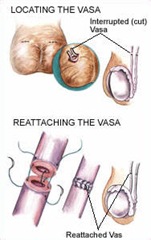
Vasectomy reversal is the process of undoing a vasectomy. In this procedure, doctors will reconnect each of the ends of the vas deferens, often just called the vas, to allow sperm to move through this pathway. The sperm is then able to mix with the semen and can then be ejaculated. It may be possible, after this procedure, to get a partner pregnant.

The need for vasectomy reversal occurs because a man has had a vasectomy in which the vas is cut into two, breaking the connection that allows sperm to enter semen. This is one of the most effective forms of birth control in men available, though it is quite invasive and creates long-term results. If you are just considering having a vasectomy, it is best to forgo doing so if there is any concern that you may in fact wish to have children later. The fact is, vasectomy reversal is not always successful or possible later in life.

How Successful Is Vasectomy Reversal?

Success rates for this type of procedure vary significantly. In general, they range from 40 percent in some people to over 90 percent in others. Many factors play a role in whether or not it will work including your age, who did your previous surgery, and the surgeon’s training and experience. It is always best to discuss your specific situation with your doctor to better understand what your needs are and what he or she believes your best outcome will be.

Vasectomy-reversal-surgeon-nyc-right-column-01.jpgIt’s best to schedule a consultation to begin the discussion about your unique needs and your ability to obtain the results you desire with your doctor. When you come in to see our urologist, you will gain the information and insight you need to find out what your options are. As the best urologist doctor in New York, you can count on us to be here for all of your needs and questions.


To find out more about your options and risks in vasectomy reversal call our office and make an appointment at (646) 862-5500 for a consultation with the best urologist in New York.

Vasectomy Reversal

Vasectomy-reversal-surgeon-nyc-right-column-01_thumb.jpgFor many men, decisions previously made can be undone. If you’ve had a vasectomy, you may wish to reverse it. The goal of this procedure is to reverse what occurred during the vasectomy, a surgery in which semen is unable to be ejaculated from the penis. That procedure does not change a man’s ability to produce sperm. As a result, for some men, it is still possible to conceive children by reversing the previous procedure. That is what vasectomy reversal is.

Why Do You Need It?

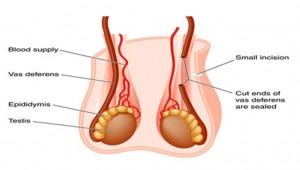
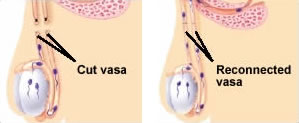
In a vasectomy, the pathway by which sperm travels is cut. This is called the vas. When it is cut, sperm cannot get into the semen that is produced. As a result, sperm cannot travel out of the penis during ejaculation. However, vasectomy reversal may help to reconnect the two ends of the vas to allow for sperm to flow successfully through the pathway again.

If you are a man that has had a vasectomy and you wish to conceive children, potentially, in the natural way, you will need to consider a reversal. Once the tubes are rejoined, the process is considered normal. However, there are some limitations to this procedure and it does not work in all cases. For many men who wish to start having a family again, such as in a new marriage or later in life, it may be possible to do so.

Making the Big Decision

Vasectomy-reversal-surgeon-nyc-right-column-03_thumb.jpgThere is no doubt this is a big decision to make. The procedure itself is considered safe for most men. And, while it is not a very invasive procedure, it is a delicate one that may not be effective. If you are considering having a vasectomy and there is any chance in the future that you may want to have children, it is best to avoid vasectomy in the first place. However, if you have already had it done, it may be possible to reverse it.

Vasectomy reversal isn’t the type of procedure you should take lightly. It is best to sit down and talk to your doctor about it, why you want it, and what your chances of success are, as these can differ from one person to the next. When you call our offices to schedule a consultation with the best urologist in New York City, you’ll gain the information and insight you need to make the best decisions for your future needs.

What Are the Side Effects or Risks of Vasectomy Reversal?

vas-reversal_000Vasectomy reversal is overall a very safe procedure. For this reason, it can be a very good option for men who wish to have children. It’s important to know that most vasectomy are very successful. There is no guarantee, though, that this will occur. And, even if the procedure is successful, that does not mean you will have success in conceiving a child. However, it is important to take into consideration any risks and concerns associated with this procedure before making the decision to go forward with it.

What Are Potential Risks?

testes etc. (Shutterstock) [Converted]Vasectomy reversal is a very safe procedure with few threats. However, in rare situations, complications can occur. Your doctor will discuss these risks with you before you go through with the procedure. You should ask any questions you have at that time. Some of the potential risks you should know about include these:

Bleeding: Bleeding in the scrotum can occur. This leads to a hematoma, a collection of blood. This can create swelling in the area and pain. The best way to avoid this complication from occurring is to follow your doctor’s specific directions after your procedure. Rest is necessary to allow the connections to re-grow and for the incisions to heal properly. Even if you do not see blood, it can

Infections: Like any surgery, there is a risk of infection with vasectomy reversal. Generally, this is very uncommon because the incisions are very small and the procedure is done in a surgical unit. However, if you do have an infection, your doctor may recommend medications to treat it.

Chronic pain: For some men, the worst problem resulting from vasectomy reversal is chronic pain. This is not very common, but it can occur in men. It may be treatable or it may not be.

It’s important for you to take the time to talk to your doctor about any other types of medical concerns you may have that could impact your success rate or your safety through this procedure. For most men, it requires only a few weeks of downtime.

To find out more about your options and risks in vasectomy reversal call our office and make an appointment at (646) 862-5500 for a consultation with the best urologist in New York.

What Can You Expect in Costs for Vasectomy Reversal?

Most of the time, a vasectomy reversal will not be covered by your health insurance. It is often considered an elective procedure. As a result, most health insurance companies will not cover it. Of course, most health insurance companies also do not cover vasectomies either. It is important for you to take the time to consider the value that this procedure can offer to you and, for many men, it is well worth the investment.

How Much Is a Vasectomy Reversal?

In most cases, the procedure will cost between $5,000 and $15,000, however there are many other fees and a significant amount of range in this. Various factors contribute to how much you can expect to pay including:

  • Where you live (in some areas the cost is higher due to a higher cost of living)
  • The doctor you select (those that are specialists or highly desirable tend to cost more)
  • The amount of time you spend in the hospital, if any
  • The number of appointments you have for the procedure
  • Any risks or complications
  • The other doctors you select to be a part of the procedure, including anesthesiologists

It’s important to note that the procedure can cost more or less than this. However, you will get a good idea of the cost when you visit your doctor’s office. He or she will provide you with the information you need to make this decision.

Considering Other Options?

There are other methods available to men who wish to have children. For example, you may be able to try an artificial insemination procedure. This type of procedure, though, can cost $17,000 or more. Other procedures may also be available and may also apply to your situation.

Take the Time to Learn Your Options

Men who feel that a vasectomy reversal is a good idea for their specific needs should meet with an urologist to discuss the procedure, the risks, and the potential success it can provide. This low invasive procedure with good success rates tends to be a safer and more effective way of conceiving. Even if you think it may be too expensive, schedule a consultation to discuss your options with an urologist.

Call our offices today at (646) 862-5500 to discuss your specific case. You’ll work with the best urologist in New York to determine what is best for your needs.

Can You Try Vasectomy Reversal More Than Once?

For some men, vasectomy reversal does not work. There are various reasons why this could happen. For example, it may occur because of a mistake during the procedure and a blockage occurring to prevent the flow of sperm through the vas to be added to semen. It could fail to occur because of a lack of sperm, too.

In some situations, it can be worth trying a second time to have a vasectomy reversal. However, whether or not it is wise to do so depends on what happened in the first procedure as well as what your doctor feels is likely to work.

When Should You Consider a Second Vasectomy Reversal?

If vasectomy reversal fails, your doctor likely will take several steps to learn why this occurred. First, it can take months, even up to 15 months, for men to see a steady rise in their sperm count. It may seem as though the procedure did not work during this time, but it just takes that long for your body to begin production again at a high enough level. If your doctor has not said the procedure failed and it is within that timeframe, it may be best to wait a bit longer.
Your doctor will need to determine why the procedure failed. This may not always be easier to determine. However, unless there is a specific reason why you should not try to have a second vasectomy reversal, you should consider it. That’s because the rate of success for a secondary vasectomy reversal are about the same as those of a first procedure. In other words, you may be able to see success in a second opportunity.

Could It Be Right for You?

If you have put off having a vasectomy reversal or a secondary procedure because you are unsure of how it could help you, take the step to do so now. You may find that this could be the ideal opportunity for you. For many men, it is very important to take this step. However, to find out what the potential benefits are, you will need to have a consultation with an urologist. The good news is we can help you.

Call our offices today at 646-862-5500 to schedule a consultation with the best urologist in New York to learn more about your options and the likelihood of your potential success.

Are You Too Old for Vasectomy Reversal?

You are older, but in a new relationship. On the other hand, you and your partner have decided that having another baby would be a good addition to your life now, even though you made the decision long ago not to have any more children. No matter why you took the step to have a vasectomy or why you hope vasectomy reversal is an option for you, it’s always best to meet with a doctor to discuss the unique circumstances in your case. The good news is, your age may not matter as much as you think.

Will You Be Able to Have Children?

Men continue to produce sperm for many years after most women stop producing eggs. Most women see a drop in fertility while in their mid-30s and a significant drop happens around age 37. If you are around this age as well, it is likely the procedure can help you. Men that are in their 60s and 70s may still be able to find success after a vasectomy reversal.

In fact, if you have a vasectomy reversal and your partner is under the age of 40, it is more likely that she should seek out fertility treatments. This is because most men do see a successful return of sperm within 12 months to 18 months after having a vasectomy reversal.

Will It Always Work?

Vasectomy reversal success is not necessarily successful in all cases. Many factors can contribute to the limited success of this procedure. For example, if too much of the vas, the pathway by which sperm travels to enter into semen is removed during the vasectomy, it may be limitedly successful. On the other hand, you may have a significant amount of scar tissue that is limiting the doctor’s ability to reattach the vas pieces to each other.
Vasectomy-reversal-surgeon-nyc-right-column-01.jpgWhen it comes down to it, age
is not the only factor to determine if vasectomy reversal will work for you. Every situation is very different. It is best to talk to your doctor about your options and learn more about your overall health. You will know more about the likelihood of this procedures success in your case if you schedule a consultation with an urologist.

You can call our offices today and schedule a consultation with the best urologist in New York to get the process of learning more underway. Call 646-862-5500 to get started.

Will Vasectomy Reversal Work for You?

Vasectomy reversal provides an opportunity for men to once again have the opportunity to have children. Vasectomies themselves are most commonly thought of as permanent procedures. And, that is true for many situations. They can be hard to reverse and as a result should be considered a permanent situation for men. However, vasectomy reversal has improved in recent years.

Now, it is more likely than ever that men will be able to overcome their original procedure to gain back fertility. However, a wide range of factors plays a role in whether or not this will occur.

The Statistics of Vasectomy Reversal

According to statistics, about 500,000 men annually have a vasectomy as a form of birth control. It’s a highly effective way of limiting the ability of a man to be fertile. In fact, only one or two women out of more than 1,000 will become pregnant after a partner has had a vasectomy.

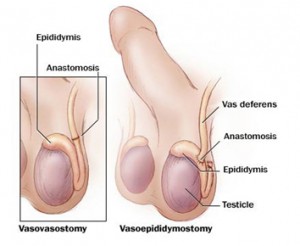
Reversing the procedure is not as easy nor as successful. There are two methods used by urologists to reverse the procedure. If a man has a vasovasostomy, which is the most common form, it is likely to work 85 percent of the time. This leads to about 55 percent of those men impregnating a partner. For those men who have the more complex procedure of vasoepididymostomy, the chances of success are about the same, but can be slightly less. This procedure also takes longer to recover from and as much as 15 months before sperm count is high enough to allow for a higher chance at pregnancy.

Will Vasectomy Reversal Work for You?

Many factors play a role in whether or not you will have a successful outcome. Your urologist will talk to you about this. Some factors that may limit success include:

  • Your age, men who are older are less likely to have success
  • The skill of the previous doctor
  • The ability to remove all scar tissue to allow for a clean reconnection
  • How much of the vas was removed during the first procedure
  • Your body’s ability to produce sperm

If you are wondering whether or not this procedure could be a good option for your needs, the best step is to schedule a consultation with an urologist to determine what your chances are.

When you are ready, call our offices at 646-862-5500 to schedule a consultation with the best vasectomy reversal doctor in New York.

How Long Does It Take to Conceive a Child After Vasectomy Reversal?

A vasectomy reversal is one option that allows men who have had a vasectomy to potentially get a partner pregnant. It’s important to know from the start that there are no guarantees for this procedure, even though most men who have it will have a good chance of success. If you are considering a vasectomy reversal, your first step will be to come in to see your urologist. He or she will discuss your specific needs with you, determine what type of potential options are available to you and then determine what likelihood it can be successful in.

What Is the Likelihood of Success?

After having vasectomy reversal, the next few weeks you will need to take it easy and allow your body to heal. During the first three or so weeks, you should not engage in sexual activity. After that point, you can start trying to conceive a child.

There are only two ways to know for sure that the procedure was a success. The first is that it results in pregnancy. The second is a test of sperm count. Your doctor may advise this to be done in the months after you’ve have the vasectomy reversal as the best way to understand the outcome. Most urologists will test sperm count every two to three months to determine if your sperm count is maintaining the desired level.

Sperm begins to appear in semen within several months after the vasectomy reversal occurs. Once it occurs, and maintains a steady level, the chances of pregnancy rise. Most often, sperm appears in semen two to three months after a vasovasotomy, the most common type of vasectomy. It can take as long as 15 months for it to be found after a vasoepididymostomy.

When Can You Expect Pregnancy?

Once the vasectomy reversal occurs, you can expect to maintain fertility for many years. It is possible to begin pregnant within any period after the sperm count begins to be present and the likelihood of pregnancy increases once sperm count rises.

Vasectomy reversal is a big deal and it should not be overlooked in terms of its success rate. Many men have the success they are looking for from this procedure. To find out if it can be a success for you, schedule a consultation with the best urologist in New York to learn more. Call us at 646-862-5500 to schedule.

How Long Does It Take to Recovery From Vasectomy Reversal?

You are considering the benefit of having a vasectomy reversal. If it works, it could mean that you are able to have a child. For many men, this can create a whole new path in life and it can be exciting. However, like any other sensitive procedure, it is a risk. Do you want to go through with this? What can you expect after it is over? For many men, it is these questions that give them the confidence to move forward with the procedure. One of the most common questions asked is whether or not the recovery from a vasectomy reversal is long.

What Are the Likely Outcomes of Vasectomy Reversal?

When you talk with your urologist as well as with your surgeon after the procedure, one of the key factors to discuss is the expectations of the procedure. First, your doctor is likely to tell you that between 55 and 90 percent of the time it is successful. Whether or not it leads to pregnancy is further determined asked on a variety of other factors.

In terms of healing, most of the time, the healing and recovery process is rather quickly. It is also fairly easy without a great deal of pain and discomfort. For most men, the pain that occurs after surgery is often easily controlled with over the counter pain medications. In about 50 percent of the cases, the pain is much like the pain you had after your vasectomy. Some men, about 25 percent of them, feel that the reversal procedure is less painful while the other 25 percent believe it is more painful. In most cases, it is rare that men will need pain medications more than a few days to a week.

Also keep in mind that:

  • You are able to return to your normal routine and light work within about a week.
  • You shouldn’t have sex for two to three weeks.
  • If your job is taxing on your body, it may take longer to return to work.
  • You should likely wear a jockstrap for about two to three weeks after the procedure.
  • Most men will see results within four months to a year, though rates of success vary.

If you are considering a vasectomy reversal, choose a doctor you can trust. Call our offices at 646-862-5500 and meet with the best urologist in New York today.

What Is Vasovasostomy?

When it comes to determining the best type of vasectomy reversal, your doctor will work closely with you to make the best decisions possible. There are several types of procedures your doctor may decide to use. Which one he or she selects depends on what happens during the surgical procedure. One of the options is the vasovasostomy. If you are considering a vasectomy reversal, it helps to learn as much as you can about your options as well as about the various types of options your doctor may offer.

What Happens During Vasectomy Reversal Surgery?

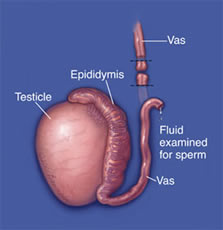
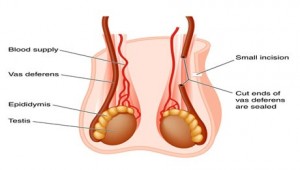
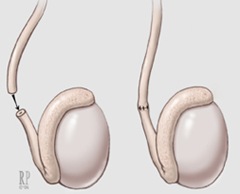
During the vasectomy reversal procedure, your doctor will make an incision on both sides of the scrotum He or she will then trim away the edges of the vas where the previous procedure closed them off to create the vasectomy. This procedure is usually completed during microsurgery and is not as invasive as many believe.
During the procedure, your doctor will take the time to determine if the fluid, also known as the vasal fluid, has sperm in it. This is done at the end closest to the testis. After this check, your doctor may decide to go ahead with a vasovasostomy.

During the vasovasostomy, the doctor will have found sperm in the fluid. In other words, the doctor has found that the vasal fluid in the vas between the scarred, closed off area and the testis actually contains sperm. This shows that the path is clear between the area of the cut and the testis. The result of this is that the vas can then be joined at that point creating the clear pathway desired.
When this type of microsurgery is performed, it is about 85 percent effective. That means that 85 out of 100 men in this position are able to have the vas reconnected. That usually translates into a pregnancy chance of 55 percent.

For many men, this is the easiest and best method for having the ability to create children again. There are various other options your doctor may offer if the vasovasotomy does not work. However, for many men, this is the best route to take. If you are considering this procedure, come in to see your urologist. Our team will work closely with you to determine the best level of care possible.

Call to schedule an appointment with the best urologist in New York right now at 646-862-5500.

How Does Vasectomy Reversal Happen?

The vasectomy reversal procedure is not necessarily the most invasive procedure and overall risks to it are lower than some procedures. However, it is the type of procedure that requires an experienced and well trained doctor. The procedure is one that can be successful in restoring your ability to ejaculate with sperm, but it is important that you understand the procedure, how it happens, and what occurs throughout it before you make the decision to move through it. A consultation with an experienced urologist is the best first step for most people.

What Happens in a Vasectomy Reversal?

The procedure is performed in an outpatient surgical building or a hospital. The surgeon will be done using a microscope and is often called microsurger
y as a result. In some situations, men will need more controlled conditions requiring a hospital setting. In most cases, the patient is asleep with the use of anesthesia.

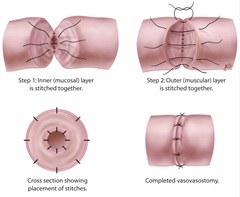
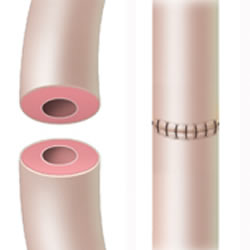
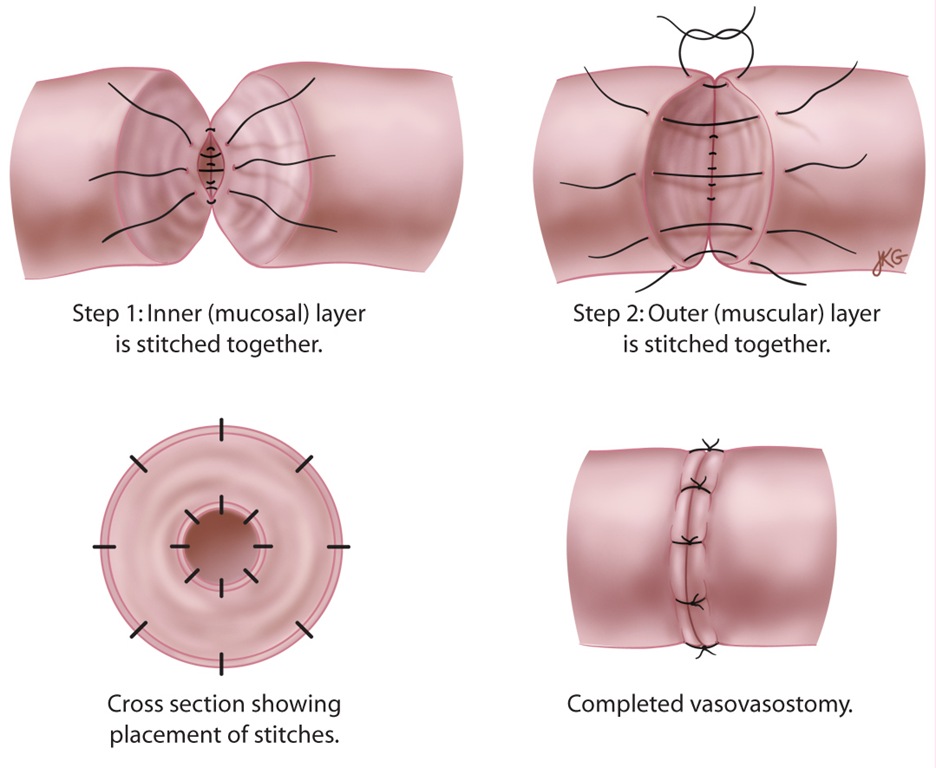
The doctor will use a microsurgical approach whenever it is possible to do so. This process involves a high powered microscope that allows for the magnification of the vas tubes at as high as 40 times their size. This allows the urologist to locate them and then stitch them together. It’s important to realize that the stitches used are thinner than an eyelash or a hair. These need to be connected to the vas to allow the tube to regain proper and normal flow of sperm.

Once you are asleep, your doctor will make a small cut on each side of the scrotum. Then, he or she will cut the scarred ends of the vas. This is the area where the vas was cut previously. They are scarred because that is the way a vasectomy stops the flow of fluid in the body. Then, the doctor will determine the proper approach for reattachment based on whether or not sperm is present in the fluid. Vasovasostomy and vasoepididymostomy are the two most common reconnection methods.
Most patients will need to spend some time at the hospital to recover, but going home the same day is quite common. The procedure can take some time to recuperate from as well. Your doctor will discuss what you can expect from this at the time of your discharge.

Are You Ready?
It’s best to learn what the options are for you specifically by making an appointment with the best urologist in New York to learn more. Contact us at 646-862-5500 to schedule a consultation.

What Is Vasoepididymostomy?

When it comes to having vasectomy reversal, many men wonder if there is an option and opportunity to go through with the procedure. If you’ve had a vasectomy, you’ve made the decision to change the way your body functions to prevent sperm from being released. However, many men change their minds down the road, such as because they’ve remarried or decided to have another child. Your doctor can help you to determine if this is an option for you. If and when you come in for a consultation, you may learn about the various vasectomy reversal options. One of the options your doctor may decide is right for you is Vasoepididymostomy.

When Is Vasoepididymostomy Effective?

When your doctor begins your vasectomy reversal, he or she can determine the best possible method for reattaching the vas, the pathway that reconnects the vas deferens to allow for sperm to travel through the pathway and to the semen. During the procedure, your doctor will cut the ends of the scarred vas. During this process, the doctor opens up the two ends to allow for the passage of sperm.

However, before doing making that connection, the doctor must determine if sperm is available in the vasal fluid. He or she will test this during the procedure to determine which is the right option for reconnection. If there is no sperm in the vasal fluid, your doctor may proceed with a Vasoepididymostomy procedure.

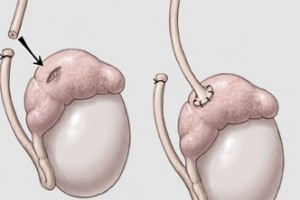
If sperm is missing in the vasal fluid, this may indicate that back pressure from the vasectomy occurred and led to what doctors call a blowout. This occurs in the epididymal tube. When this occurs, a blockage can occur, limiting the flow of sperm. If this is present, your doctor will need to create a way to go around the block and then joins the upper end of the vas directly to the epididymis. This is what the Vasoepididymostomy procedure is. This connection is more complex, but the results are virtually the same as vasovasotomy, the most common method.

When it comes to having a vasectomy reversal, the process can be complex and there are limited benefits in some situations. However, it is possible for most men. A vasectomy reversal can work for you. To find out what your options are, call the best urologist in New York. Let us talk to you about your options in vasectomy reversal.

Second Attempt at Vasectomy Reversal

Why Does Vasectomy Reversal Fail?

Vasectomy reversal may fail the first time when the procedure is not performed using microsurgical techniques. Other times, a vasectomy reversal failure may be associated with vasectomy outside of an accredited operating room, or a failure to perform the operation under general anesthesia. These are several reasons that you must choose your vasectomy reversal doctor carefully. If you want to have the best chance of success when you are having surgery to reverse a vasectomy, you should be sure to seek the assistance of a qualified and experienced urology surgeon. Dr. Larish is New York’s top vasectomy doctor, and he has a very high success rate in patients who desire vasectomy reversal.

Vasectomy Reversal Surgery

What Your Should Know About Fertility After Vasectomy:

Men generally want a vasectomy reversal in order to conceive a child with their partner. It’s important to realize that the sperm count may not return to normal for several months after a vasectomy, because sperm have a 90-day life cycle. It’s also important to realize that it may take a few cycles before the sperm reserve returns to normal, and before the sperm count returns to an ideal level for conception.

Reversal of Vasectomy:

These days, a vasectomy reversal can be performed using microsurgical techniques, with a success rate after reversal of over 90 percent. Dr. Larish is a highly trained urologist, which is a surgeon trained in treatment of genitourinary conditions. Dr. Larish is New York’s best vasectomy reversal doctor, and has performed thousands of vasectomy reversal surgeries, using microsurgical techniques to visualize the cut ends of the tiny vas deferens, which is normally only 0.4 millimeters in diameter.

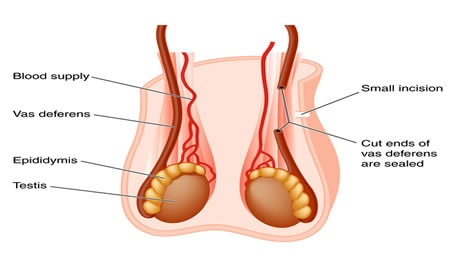
In order for your vasectomy reversal to be successful, your surgeon should have the experience to join the ends of the vas deferens together without putting undue tension on the tissue. It is also very important that the blood supply remain adequate. When Dr. Larkish performs a vasectomy reversal, he uses an operative microscope to visualize the delicate ends of the vas, suturing them carefully together. Because the entire vas deferens must be visualized, a mini-incision is not the most effective technique. This will allow the surgeon to perform either a vasovasotomy or a epididymovasostomy, depending which is required.

What You Can Expect:

After a vasectomy reversal, it will take several months for your sperm count to return to normal. Dr. Larish typically performs a semen analysis at 3 or 6 months, and if he does not find sperm in the ejaculate after three months, then this reveals an unsuccessful procedure. An epidiymovasostomy is a procedure to reverse a vasectomy that connects the end of the vas deferens directly to the epididymis, and it usually takes six to 12 months to achieve a normal sperm count after this procedure.

A vasectomy reversal will not disrupt your normal sexual performance. You should not experience any new difficulties with either erection or orgasm.

Some Tips After Vasectomy Reversal to Increase Sperm Count:

Stop smoking.
Avoid sexual activity for two weeks.
Stop ibuprofen or similar drugs, which can thin your blood.
Begin taking a multivitamin and vitamin C supplement.
Eat a well-balanced diet.
Rest adequately.
Avoid alcohol.
Avoid sitting in a hot tub.
Avoid placing a warm laptop computer on your upper lap.

If you are considering vasectomy reversal surgery, you should consult Dr. Larish, New York’s top vasectomy reversal doctor. Call us today at 646-862-5500 for your consultation.

Vasectomy Reversal after 10 Years

Vasectomy Reversal after 10 Years

Although vasectomy is considered a permanent method of birth control, if you have had a vasectomy in the past you may have reasons to consider a reversal of this procedure. There are many good reasons to decide to reverse a vasectomy, including remarriage, or the desire to have another child after the loss of a child. If you have had a vasectomy and circumstances of your life are causing reconsideration of that decision, don’t despair – there are options available to restore fertility. Dr. Larish, the best vasectomy reversal doctor in New York City, can discuss the many options for reversal of your vasectomy to restore your fertility.

When you have a vasectomy, the sperm duct is cut, preventing fertility. A sperm duct, known as the vas deferens, is located in each side of your scrotum, and can be reconnected. There are other surgical options available, including the connection of the sperm duct to the epididymis, a small testicular organ where sperm mature. There are a number of procedures available to restore fertility after a vasectomy, and an experienced urologist, like Dr. Larish, the best vasectomy reversal doctor in NYC, can guide you to the best option for your situation.

Vasectomy reversal is usually performed in an outpatient clinic, and is performed under general anesthesia, depending upon the surgeon and patient preference. Typically, a small opening on each side of the scrotum will allow the urologist to remove the scarred portions of the vas deferens that result from a vasectomy. A fluid sample will be obtained by the urologist to ensure that sperm is present, and that there is no blockage between testicle and sperm duct, or in the epididymis. If sperm is present, the ends of the cut vas deferens can be re-connected to allow the sperm passage, and this procedure, called vasectomy, restores fertility. If there is no sperm in the fluid, other approaches to restoration of fertility by vasectomy reversal are utilized. It is important to find an experienced top vasectomy reversal doctor for your vasectomy reversal. Dr. Larish is a top vasectomy reversal doctor in New York City, and has successfully treated hundreds of men who have decided to reverse a previous vasectomy.

Dr. Larish, a top New York vasectomy reversal doctor, can use a microsurgical approach, with a high-powered microscope to magnify the structures of the vas deferens up to 40 times the original size, allowing him to restore fertility to 70 to 95 percent of patients who have had a previous vasectomy.

If you are considering a vasectomy reversal, call us today at 646-862-5500 to schedule your consultation with Dr. Larish, the best vasectomy reversal doctor in New York City.

Preparation for a Vasectomy Reversal Procedure

Cost

If you are considering a vasectomy reversal, you probably have a lot of questions. Most patients want to know how much the procedure costs, as it is usually not covered by insurance. In general, a vasectomy reversal is performed at an outpatient surgical center under general anesthesia, and because the procedure can vary in complexity, costs range from $5,000 to $15,000.

Before Your Procedure
Vasectomy reversalIn the period of days before your procedure, from a week to ten days, you should not take drugs or supplements that might thin your blood, including things like ibuprofen, aspirin, warfarin (Coumadin), fish oil supplements, and vitamins C and E. These things can increase your bleeding during surgery or afterwards.

If you are on a medication that does thin your blood, you should not discontinue that medication before you consult with your doctor. Do not stop taking your medications until you discuss this with your physician.

When you see Dr. Larish, New York’s best vasectomy doctor, he will ask you for a complete list of all prescription and over the counter medications that you are taking. It is helpful it you bring all of your medications or a complete list with you when you have your consultation to plan a vasectomy reversal.

Be sure to notify your vasectomy reversal surgeon about any allergies, to either foods or drugs. Your surgeon will also want to know about all of your medical problems and previous surgeries.

The Day of Surgery

When the day of your vasectomy reversal arrives, wear loose-fitting pants, but be sure that you have either an athletic supporter or tight underwear to wear after your procedure. You will have to have someone with you who can drive you home on the day of your surgery, because you can expect to feel woozy for the rest of the day as a result of the medicine used to put you to sleep during the procedure.
vasectomy reversalWhen you arrive for surgery, your scrotum will be thoroughly cleaned and, if you haven’t done so, shaved, for the procedure.  Your doctor may have a mild sedative ordered to relax you before you get into the operating room. You will have to be certain that you have not had anything to eat or drink, usually from the evening before your surgery.

When you have your procedure, you will be asleep under general anesthesia, to keep you from being aware of pain and also to keep you from moving, which could interfere with the delicate work of the surgeon. When you awaken, you will be in the recovery room, and after a few hours, you will be able to return home. Before you return home, your doctor will be certain that you are able to breath easily on your own, that you are alert, and that you can urinate. You will be advised to take it easy for a few days, and to avoid sex and other strenuous physical activity.

Preparation for a Vasectomy Reversal ProcedureIf you are considering a procedure to reverse your vasectomy and restore your fertility call to make an appointment today with Dr. Larish, the best vasectomy reversal doctor in New York.

Our staff is standing by at 646-862-5500 to assist you as you arrange your initial consultation.

Recovery After Vasectomy Reversal

Recovery After Vasectomy Reversal 

 Although most men realize that a vasectomy is a permanent form of contraception, or birth control, on occasion a vasectomy reversalman may decide to have a vasectomy reversal. Many men who decide to undergo vasectomy reversal have questions about the postoperative period, including the length of time is may take for the couple to achieve pregnancy.

Current research shows that, even with a successful reversal, it may take three months or more to achieve pregnancy. As many as 75 percent of all patients with vasectomy reversals will experience natural conception, and over fifty percent of this group will be able to experience natural pregnancy within two years after a vasectomy reversal.

Vasovasotomy vs. Vasoedpididymostomy

Conception is dependent upon several factors, which include the type of procedure that was performed to reverse the vasectomy. The vasoepididymostomy is a more complex procedure when compared to the vasovasostomy, and it is usually performed because the portion of the vas deferens that makes up the coiled epididymis is blocked. This portion of the vas deferens is closer to the testicle and tends to result in more problems with sperm motility. After ten years, pressure in the vas deferens may result in a rupture or blockage of the epididymis, making reconstruction more difficult.

Maternal and Paternal Age 

vasectomy reversalIt’s important to consider all factors that contribute to fertility, when considering a vasectomy reversal. Because hormone levels and ovulation cycles are increasingly difficult to predict when a woman is older than thirty-five years of age, conception may be more difficult after this time. In men over fifty, the quality and quantity of sperm may be diminished. Both of these factors can cause delays in conception. It’s important to discuss these factors with your urologist when you are considering a vasectomy reversal procedure. Dr. Larish, the best vasectomy reversal doctor in New York, can assist you with determination of your best option for conception.
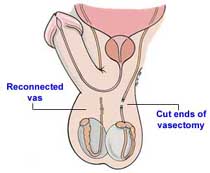
Many men may decide to reverse a vasectomy, for any number of reasons, and many factors will contribute to the success of this procedure. If you are considering a reversal of your vasectomy in order to regain your fertility and conceive a child, then you should consult a urologist who specializes in vasectomies and reversal of vasectomies.

Dr. Larish is the best vasectomy doctor in New York. Call today at 646-862-5500 to schedule your consultation for vasectomy reversal with Dr. Larish.

Vasovasotomy and Vasoepididymostomy

Vasectomy Reversal by New York’s Top Vasectomy Reversal Doctor 

When a vasectomy is performed to prevent fertility, the duct that carries sperm from the epididymis to the testicle is cut, and over time, scar tissue can develop. This has generally been considered a permanent procedure, but for many reasons, men sometimes decide they want a reversal of the vasectomy, or a vasovasotomy, which is a microsurgical procedure that was first successfully performed in 1971. During this procedure, the cut ends of the vas deferens are reattached, and this will sometimes restore fertility. An experienced urologist, like Dr. Larish, a top New York vasectomy reversal specialist, is a surgeon who specializes in surgeries of the male genitourinary tract. Dr. Larish can assist you to determine if this procedure can reverse your vasectomy.

vasecotmy Reversal

Vasoepididymostomy May Restore Fertility 

Sometimes, a vasovasotomy may not be successful to restore fertility, particularly if autoantibodies have formed that disrupt the normal activity of sperm, or in cases where blockages have formed in the vas deferens. If there is a blockage at the epididymis, then you may require a vasoepididymostomy to restore your fertility. Antisperm antibodies can develop during the period of time after a vasectomy, and they reduce the motility of sperm, thus resulting in diminished fertility. For this reason, Dr. Larish, New York’s Top Vasectomy Reversal Doctor, often recommends a vasoepididymostomy for patients who may have experienced these problems.

Presence of Sperm in the Vas Deferens 

During a vasovasotomy, a urologist should always examine the vas deferens to determine if there is sperm present. This can be done under a microscope during surgery. If sperm is present in either end of the vas deferens, the vasectomy can be successfully reversed with a return to fertility, as long as the surgeon makes a watertight seal when completing the reconnection. However, some surgeons do not check for sperm during the procedure, and this is a significant cause of failure of vasectomy reversals. This typically occurs when surgeons do not perform many vasectomy reversals, but an experienced urologist will always check for the presence of sperm during a vasectomy reversal. As the length of time since a vasectomy increases, fertility restoration more frequently requires vasoepididymostomy to bypass areas of “blowout” or obstruction in the epididymis, which may occur as a result of trauma or infection. During a vasoepididymostomy, the surgeon attaches the vas deferens to part of the epididymis.

If you have had a vasectomy and now want to restore your fertility, you should call Dr. Larish, New York’s best vasectomy reversal surgeon, for your consultation.  Dr. Larish can best advise you how to proceed. Call our office today at 646-862-5500 for your appointment.

Erectile Dysfunction

What is Erectile Dysfunction?

Erectile dysfunction is an inability to achieve and sustain an erection that is adequately firm to engage successfully in sexual intercourse. Erectile dysfunction may affect half of American men between the ages of 40 and 70. Occasional erection difficulties do not constitute erectile dysfunction, and are experienced about 20% of the time by all men, but inability to achieve and maintain a firm erection 50% or more of the time signifies erectile dysfunction.

What are the Causes of Erectile Dysfunction?

Erectile dysfunction can be caused by a variety of physical or psychological problems. Many times, erectile dysfunction is caused by diseases that affect the blood flow to the penis, which is how an erection takes place. These chronic diseases, like atherosclerosis, diabetes, and vascular disease, are responsible for 70% of cases of erectile dysfunction. Neurological causes of erectile dysfunction include things like Parkinson’s disease, multiple sclerosis, or as injury to the spinal cord. Some men experience erectile dysfunction after nerves and blood vessels in the pelvis are damaged during prostate or bladder surgery.

Peyronie’s disease, an inflammatory disorder that results in scar tissue in the penis, can cause erectile dysfunction. Between 1% and 4% of all men with may have some degree of Peyronie’s disease, which usually occurs in middle age.

Alcoholism and cigarette smoking are both associated with erectile dysfunction. Sometimes, men with erectile dysfunction have low levels of testosterone, which can be easily corrected. Psychological problems, like stress or depression, can result in erectile dysfunction. If you are experiencing an inability to achieve or sustain an erection that is preventing your from enjoying sexual intercourse, you should call Dr. Larish, a top New York urology doctor, today.

Determining the Cause of Erectile Dysfunction

If you are experiencing problems achieving or maintaining an erection, the first step in treatment is finding the cause. Dr. Larish will take an extensive medical history at your consultation, which include questions about physical, social, and psychological aspects of your life. He will also ask questions about stressors, habits, and your relationship with your partner. After obtaining a thorough medical history, Dr. Larish will complete a physical examination. A simple exam of the penis can reveal many clues through characteristics like sensory responses of the penis to touch, pulses, and hair growth patterns. Unusual characteristic of the penis may reveal a problem like, for example, Peyronie’s disease.

Dr. Larish will also obtain blood tests that measure hormone levels, blood sugar, cholesterol, thyroid function, and function of the liver and kidney, to search for conditions that impact normal erectile function. An ultrasound examination will evaluate blood flow to the penis and any leaks from the veins or signs of atherosclerosis. You will be tested to see if you have nocturnal erections, and there are several highly specialized tests that can be performed by an experienced urology doctor to check the state of the blood vessels in the penis, if further investigation is required.

Treatment Options

Depending upon the results of your examination and diagnostic tests, there are a variety of treatment options available for the treatment of erectile dysfunction. You can be successfully treated for your problem, so you can once again enjoy sexual intercourse.

Call 646-862-5500 today to schedule your consultation with Dr. Larish, one of the top New York urology doctors, to begin your evaluation and treatment of erectile dysfunction.

Success Rates of Vasectomy Reversal

Vasectomy reversal, whether you require a vasovasostomy or vasoepididymostomy, is a significant procedure and one that requires a careful decision. If you have had a vasectomy and now wish to restore your fertility, you may be considering a vasectomy reversal. All patients who are considering this option should be aware of the potential for successful reversal, and should also be aware of the factors that can influence the success or failure of this operation.

Skill and Expertise

Vasectomy ReversalSome factors that influence the rate of success, measured by conception after the vasectomy reversal procedure, include the skill of the surgeon. Because it is impossible to know prior to surgery whether the patient will require the simpler vasovasostomy, in which the vas deferens is reconnected, or a vasoepididymostomy, in which one end of the vas deferens is directly connected to the epididymis, the surgeon you choose should have experience in both procedures. One study showed that almost half of all men who had an unsuccessful vasovasostomy had an obstruction that should have been bypassed with a vasoepididymostomy procedure.
Length of Time Since Vasectomy

Vasectomy reversalIn the past, before the development of microsurgical techniques for vasectomy, the length of time between a vasectomy and reversal of the vasectomy had a significant effect on the success or failure of the reversal procedure. Current studies show that the success rates for vasectomy reversals within fifteen years now range from 82 percent to 89 percent, although the rate of pregnancy dropped to 44 percent after fifteen years.
Other Surgeries

Other surgery in the groin area, including earlier attempts to reverse a vasectomy or hernia repair, can reduce by success rate of a vasectomy reversal by obstruction in the vas deferens, frequently the result of scar tissue from the previous surgery.

Partner Factors

Conception is more likely to occur after a vasectomy reversal if the female partner is under the age of 40. For women under the age of 40, the rate of pregnancy is 56 percent, compared with 14 percent for women over the age of 40. Another factor in favor of a successful vasectomy reversal is a previous conception between the couple, most likely because they have shown no other fertility problems,

Vasectomies are meant to be a permanent procedure, although reversals are now frequently successful as a result of microsurgical procedures that allow surgeons to place delicate stitches in the vas deferens, ensuring a good closure and healthy blood supply. Dr. Larish is one of New York’s top vasectomy reversal doctors, and he can advise you of the likelihood of a successful vasectomy reversal, if you have made the decision to attempt this procedure in order to naturally conceive a genetic child. Call 646-862-5500 today for your appointment for a consultation with Dr. Larish, New York’s best vasectomy reversal doctor.

Comparison of Vasectomy Reversal With Other Methods of Conception After Vasectomy

Assisted Reproductive Technologies Millions of couples with fertility problems have been able to conceive with the help of assisted reproductive techniques. These technologies require harvest of both sperm from the male partner and the eggs from the female partner to succeed. After collection, the sperm and egg are examined to ensure that they are healthy,… Continue Reading

Before Vasectomy Reversal Surgery

Some Things to Consider Before Surgery: The decision to reverse a vasectomy is not a decision to take lightly, but couples often decide to attempt vasectomy reversal when they make the decision to add a child to their family. There are several things that you should consider when you decide to have a vasectomy reversal.… Continue Reading

Yaniv Larish, MD

5 East 83rd Street
New York, NY 10028


(646) 862-5500


What is Vasectomy Reversal?

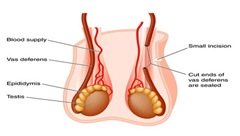
Vasectomy surgery entails cutting the vas deferens to prevent sperm from entering the ejaculate in order to produce long term sterility. (click to enlarge)

Vasectomy reversal surgeon nyc right column 01

Vasectomy reversal micro-surgery entails reconnecting the two ends of the vas deferens utilizing a surgical microscope, micro-instruments and micro-sutures in order to allow the sperm to enter the ejaculate and regain fertility after vasectomy surgery.

Vasectomy reversal surgeon nyc right column 02

Vasectomy reversal surgeon nyc right column 03

Learn More