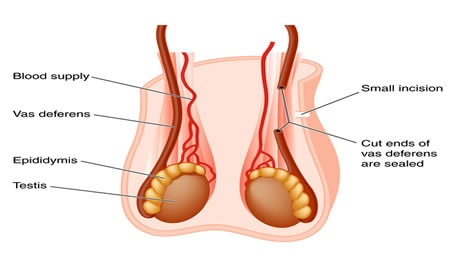
Vasectomy reversal after 10 years or more is not only possible—it can still lead to a successful return of sperm and even natural conception, especially when performed by an experienced microsurgeon. While time is an important factor in determining success rates, men who had a vasectomy more than a decade ago often have excellent outcomes with the right surgical technique and follow-up care.

How Time Affects Vasectomy Reversal Success
The success of vasectomy reversal generally decreases as more time passes between the original vasectomy and the reversal procedure. However, many men who are 10, 15, or even 20 years post-vasectomy can still achieve pregnancy naturally.
- Sperm Return (Patency Rate): For men 10–15 years post-vasectomy, sperm returns to the ejaculate in approximately 70–80% of cases.
- Pregnancy Rates: Pregnancy occurs in roughly 30–60% of couples, depending on female partner fertility and other factors.
- Surgical Complexity: The longer the interval, the higher the likelihood that the surgeon will need to perform a more complex procedure (vasoepididymostomy) to bypass blockages that developed over time.
Why Reversal May Still Be the Better Option
Even after a decade or more, vasectomy reversal offers several advantages over assisted reproductive technologies (ART):
- Natural Conception: Once sperm returns to the ejaculate, couples can attempt pregnancy naturally, avoiding the expense and stress of repeated IVF cycles.
- One-Time Procedure: Vasectomy reversal is typically a single outpatient surgery, whereas ART often involves multiple treatments.
- Cost-Effectiveness: Though vasectomy reversal may not be covered by insurance, it is often less expensive than multiple rounds of IVF with ICSI.
What to Expect During the Procedure
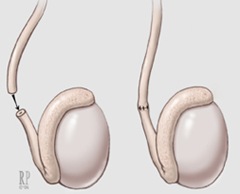
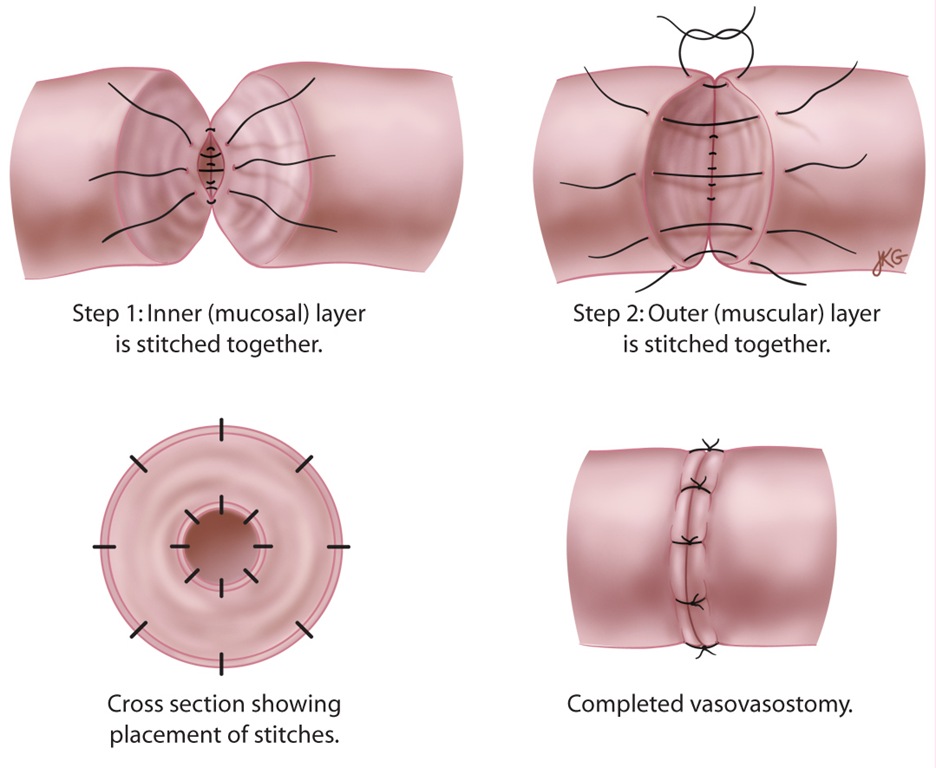
During surgery, the urologist evaluates the condition of the vas deferens and epididymis. If sperm is found in the vasal fluid, a direct reconnection (vasovasostomy) is performed. If not, a vasoepididymostomy may be required to bypass any obstructions.
Both procedures require microsurgical expertise, particularly after long post-vasectomy intervals. Success depends on:
- Surgeon’s experience with long-gap reversals
- Presence of sperm or sperm parts in vasal fluid
- Overall reproductive health of both partners
Should You Consider Alternative Options?
While vasectomy reversal is often the preferred route, assisted reproductive technologies may be considered if:
- There are significant female fertility concerns
- Sperm is not found during reversal
- Faster conception is desired due to age-related fertility decline
In these cases, sperm retrieval during reversal can be done simultaneously, preserving options for IVF or ICSI if reversal fails.
Conclusion: Don’t Let Time Be a Barrier
Vasectomy reversal after 10+ years remains a viable and often successful option for men who want to regain fertility. With an experienced microsurgeon and thorough evaluation, many couples go on to conceive naturally—even after a long time since vasectomy.
Yaniv Larish, MD
4 East 76th Street
New York, NY 10021
(646) 862-5500