Vasectomy reversal is often the first step for remarried men in NYC who are looking to rebuild their families and start a new chapter with their partners. Whether you had a vasectomy years ago or are now considering fatherhood again, this guide will help you understand what’s involved and whether the procedure is right for you.

Why Remarriage Often Sparks a Change of Heart
It’s common for men who underwent vasectomy earlier in life to later reevaluate that decision. A second marriage can bring a new set of life goals and family aspirations, particularly if the new partner has no children or the couple wants to raise children together.
- Shared Parenthood Goals: Many couples want to experience parenting together from the beginning.
- New Life Chapter: A remarriage often represents a fresh start, which may include building or expanding a family.
- Emotional Healing: For those who’ve experienced loss or divorce, growing a new family may feel deeply restorative.
Am I Still a Candidate for Reversal?
Age, time since vasectomy, and personal health all play a role in determining whether vasectomy reversal is a good option. The good news is that many men—even those who had their vasectomy 10 to 20 years ago—still qualify for surgery.
- Time Since Vasectomy: Reversals within 10 years of the vasectomy have the highest success rates, but reversals beyond that can still be effective with skilled microsurgery.
- Overall Health: Men in good physical condition and without underlying medical issues usually have better surgical outcomes.
- Fertility Goals: Men who prefer natural conception over assisted reproduction are often good candidates for reversal.
Discussing Fertility with Your New Partner
Open communication is key when entering a new marriage where fertility decisions are involved. Together, you’ll want to consider:
- Partner’s Age and Fertility: If your partner is over 35, a reproductive workup may help determine if natural conception is feasible.
- Expectations and Timelines: Discuss how soon you’d like to start trying to conceive, and whether you’re open to alternatives like IVF if needed.
- Emotional Readiness: Fertility journeys can bring stress and emotion. Make sure you’re aligned and supportive of one another.
Choosing the Right Surgeon
The success of your reversal depends heavily on the experience of the surgeon. Look for a specialist who is board-certified, highly trained in microsurgery, and performs vasectomy reversals regularly.
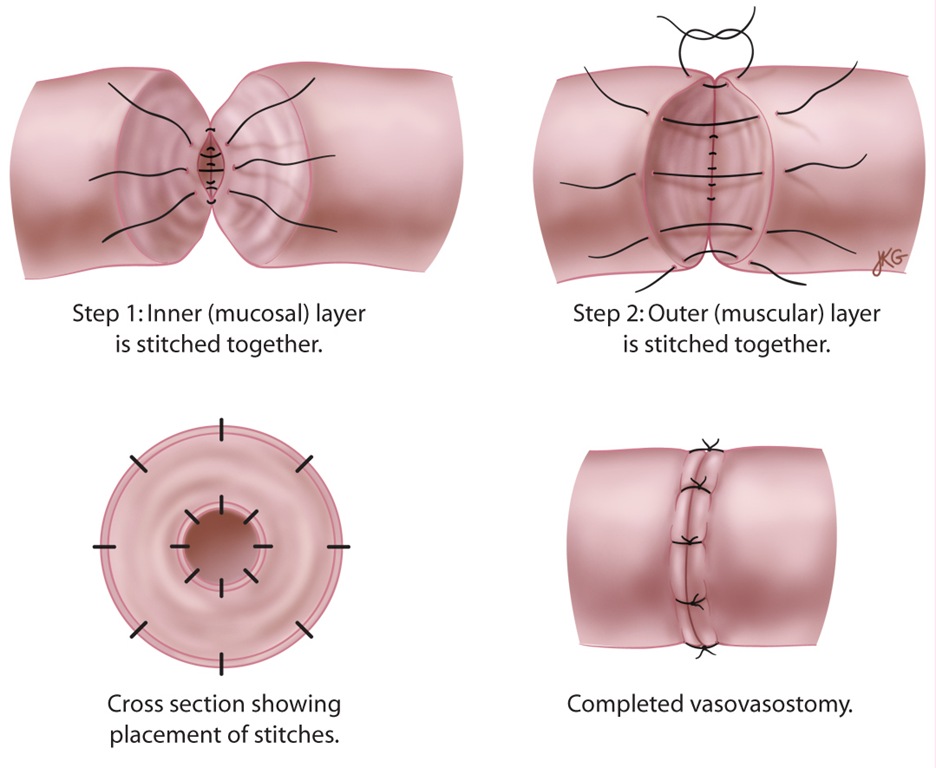
- Ask About Technique: Ensure the surgeon uses a high-powered surgical microscope and is skilled in both vasovasostomy and vasoepididymostomy techniques.
- Review Success Rates: Choose a surgeon who can provide real-world outcomes and explain the likelihood of success based on your specific case.
- Schedule a Consultation: This gives you an opportunity to ask questions, discuss your family goals, and get a feel for the level of care offered.
When Reversal May Not Be the Best Option
In some cases, assisted reproductive technologies may be more effective than surgical reversal—especially when:
- There are additional male or female fertility challenges
- Your vasectomy occurred over 20 years ago and scar tissue is extensive
- You’re looking for a quicker path to conception due to age-related fertility considerations
Options such as sperm retrieval combined with IVF/ICSI may be discussed with your urologist and reproductive endocrinologist if reversal isn’t advised.
Take the Next Step Toward Family Building
Reversing a vasectomy in the context of remarriage is more than a surgical decision—it’s a reflection of love, hope, and commitment to a shared future. With proper guidance, medical evaluation, and support, you can confidently take the next step toward rebuilding your family.
Yaniv Larish, MD
4 East 76th Street
New York, NY 10021
(646) 862-5500