 For men considering a return to fatherhood after a vasectomy, vasectomy reversal can offer a hopeful path to natural conception. However, deciding whether it’s the right choice depends on several medical, emotional, and lifestyle factors. If you’re in the NYC or Tri-State area and weighing your options, this guide will help you ask the right questions before committing to surgery.
Understanding the Procedure
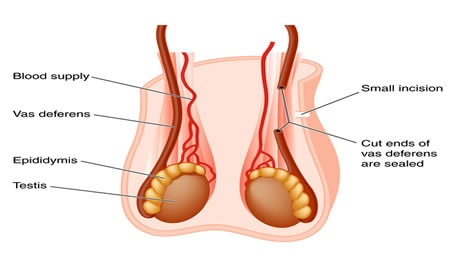
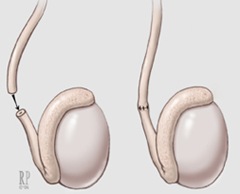
A vasectomy reversal involves reconnecting the vas deferens—the tubes that carry sperm from the testicles—to restore the flow of sperm into the semen. Using microsurgical techniques, a skilled urologist can often achieve a successful reconnection with minimal scarring and high precision.
Key Questions to Ask Before Scheduling Surgery
- How long has it been since my vasectomy?
Time plays a major role in success rates. Generally, the shorter the time since the vasectomy, the higher the chances of a successful reversal. Success rates decline after 10-15 years, but pregnancy is still possible. - Am I in good reproductive health?
It’s essential to evaluate not only your sperm production but also your partner’s fertility status. A full fertility evaluation can help set realistic expectations for success. - What type of reversal procedure will I need?
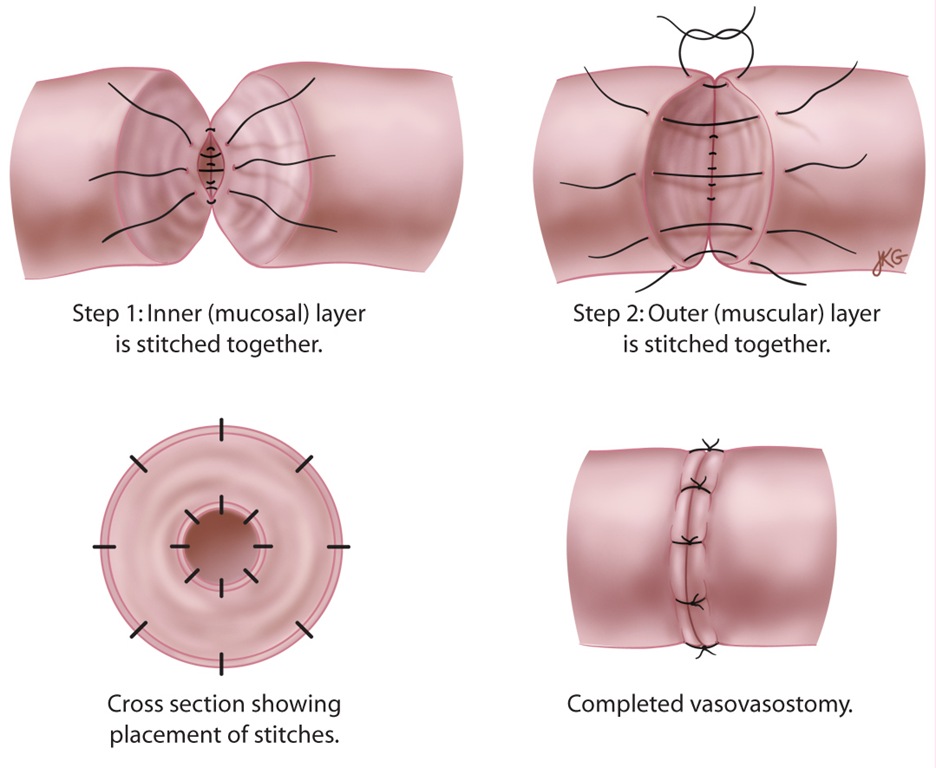
Depending on the presence of any blockages, your surgeon may perform either a vasovasostomy (direct reconnection) or a vasoepididymostomy (connecting the vas deferens to the epididymis). The complexity of the surgery can affect recovery and outcomes. - What is the surgeon’s experience with microsurgery?
Success rates are closely linked to the skill and experience of the surgeon. Choosing someone who specializes in microsurgical vasectomy reversal improves the chances of restoring fertility. - What are the recovery expectations?
Understanding the post-operative period—including downtime from work, restrictions on sexual activity, and follow-up appointments—can help you prepare physically and emotionally for the process. - Are there any alternative options?
Sperm retrieval and assisted reproductive technologies (such as IVF with ICSI) may be considered in cases where vasectomy reversal isn’t ideal. These options should be discussed with your urologist and reproductive endocrinologist. - How much does it cost, and is it covered by insurance?
Vasectomy reversal is often not covered by insurance, so it’s important to discuss the full financial picture, including surgery, anesthesia, facility fees, and follow-up care.
Making an Informed Decision
Choosing vasectomy reversal is a deeply personal decision that should be made with careful consideration of your goals, your partner’s fertility, and your lifestyle. Having honest conversations with a board-certified urologist will ensure you fully understand your options and the likelihood of success.
Schedule Your Consultation Today
If you’re ready to explore whether vasectomy reversal is right for you, speak with an experienced specialist who can help guide you through the process and answer all your questions.
Contact Information:
Yaniv Larish, MD
4 East 76th Street
New York, NY 10021
(646) 862-5500
https://www.vasectomyreversal-nyc.com