 Microsurgical vasectomy reversal offers higher success rates because it allows surgeons to precisely reconnect the delicate reproductive structures involved in sperm transport. Compared with older surgical approaches, microsurgery uses advanced magnification, specialized instruments, and refined suturing techniques to maximize the chances of restoring fertility after a vasectomy.
What Is Microsurgical Vasectomy Reversal?
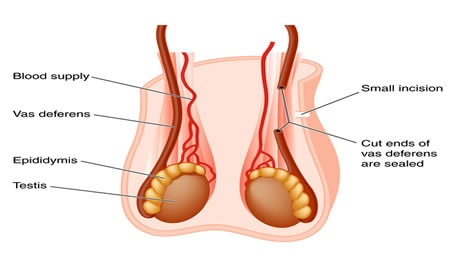
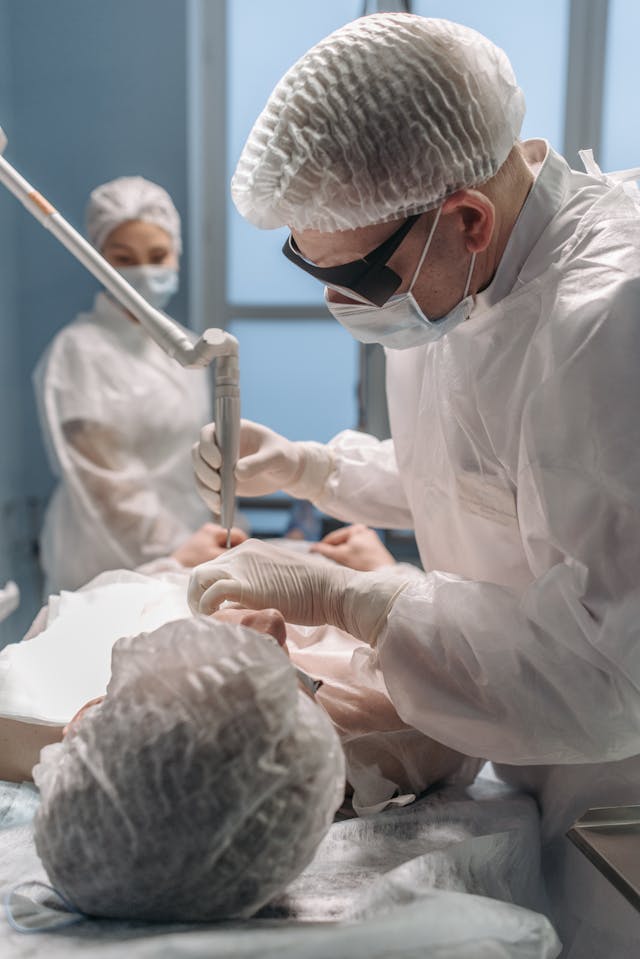
Microsurgical vasectomy reversal is a specialized procedure performed using a high-powered operating microscope that magnifies the surgical field many times beyond what the naked eye can see. This magnification allows the surgeon to reconnect the vas deferens—tubes that are only a few millimeters wide—with extreme precision.
The procedure may involve one of two techniques depending on what is found during surgery:
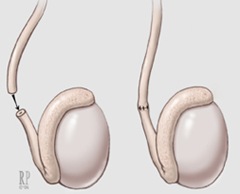
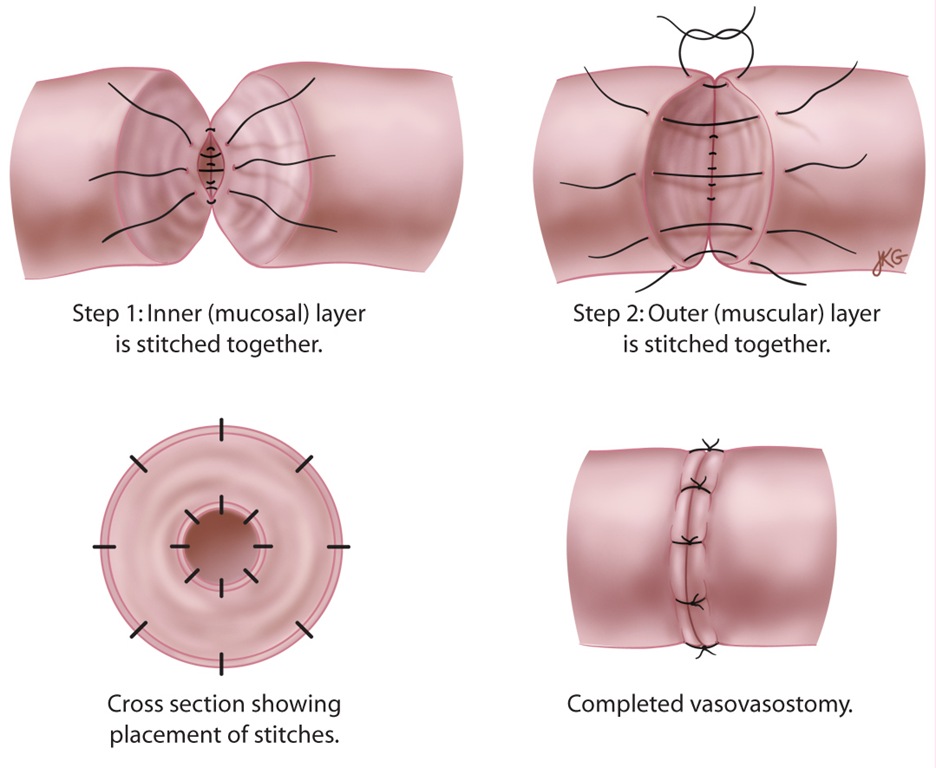
- Vasovasostomy: A direct reconnection of the two ends of the vas deferens when sperm is present in the fluid.
- Vasoepididymostomy: A more complex connection between the vas deferens and the epididymis when a blockage is present.
Both techniques require meticulous surgical skill and are best performed using microsurgical methods.
The Role of the Surgical Microscope
The operating microscope is one of the most important tools used in vasectomy reversal. Because the vas deferens contains several microscopic layers that must be aligned perfectly, magnification allows surgeons to see these layers clearly.
- Enhanced Precision: Magnification allows sutures thinner than a human hair to be placed accurately.
- Better Tissue Alignment: The internal channels of the vas deferens can be matched more precisely, improving sperm flow.
- Reduced Tissue Trauma: Smaller instruments and more delicate techniques minimize damage to surrounding tissues.
These advantages are key reasons why microsurgical techniques outperform traditional methods.
Higher Patency and Pregnancy Rates
Two common measures of success for vasectomy reversal are the patency rate (the return of sperm to the semen) and the pregnancy rate. Microsurgical techniques consistently show better outcomes in both areas.
- Patency Rates: Microsurgical vasectomy reversal can achieve patency rates of 80–95% in many cases.
- Pregnancy Rates: Pregnancy rates often range from 40–75%, depending on factors such as partner fertility and time since vasectomy.
- Lower Risk of Scar Formation: Precise suturing reduces the risk of scar tissue blocking the repaired vas deferens.
Because of these improved outcomes, microsurgery has become the gold standard for vasectomy reversal.
Reduced Complications and Faster Recovery
Microsurgical techniques also help reduce complications and improve recovery for many patients.
- Smaller Incisions: Less invasive surgical techniques often mean reduced swelling and discomfort.
- Lower Risk of Infection: Minimal tissue disruption can decrease the chance of post-operative complications.
- Improved Healing: Careful tissue handling allows the surgical site to heal more effectively.
Most patients can return home the same day and resume normal activities within a few weeks.
The Importance of Surgeon Experience
Even with the best equipment, the experience of the surgeon performing the procedure is critical. Vasectomy reversal is technically demanding, and surgeons who specialize in microsurgical techniques tend to achieve better outcomes.
- Training in Microsurgery: Surgeons trained specifically in reproductive microsurgery have refined skills for handling delicate structures.
- Experience with Complex Cases: Long-standing vasectomies or previous failed reversals may require advanced techniques.
- Accurate Intraoperative Decisions: Determining whether to perform a vasovasostomy or vasoepididymostomy during surgery can significantly affect success.
Choosing the Best Path to Fertility Restoration
Microsurgical vasectomy reversal offers higher success rates because it combines advanced technology with precise surgical technique. For many men hoping to restore fertility and conceive naturally, this approach provides the most reliable chance of success.
Schedule a Consultation
If you are considering vasectomy reversal and want to learn more about microsurgical techniques and success rates, a consultation with a specialist can help you explore your options.
Yaniv Larish, MD
4 East 76th Street
New York, NY 10021
(646) 862-5500