 For couples hoping to conceive after a vasectomy reversal, a common question is: how long will it take to achieve pregnancy? While the answer varies depending on individual factors, understanding the typical timeline and influences on success can help set realistic expectations.
Understanding the Post-Reversal Fertility Window
After a vasectomy reversal, it takes time for sperm to reappear in the ejaculate and for fertility to be restored. This timeframe can differ based on the surgical technique used and how the body heals.
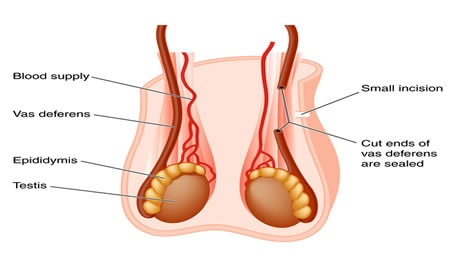
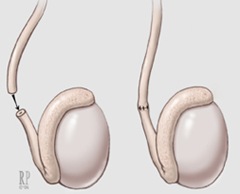
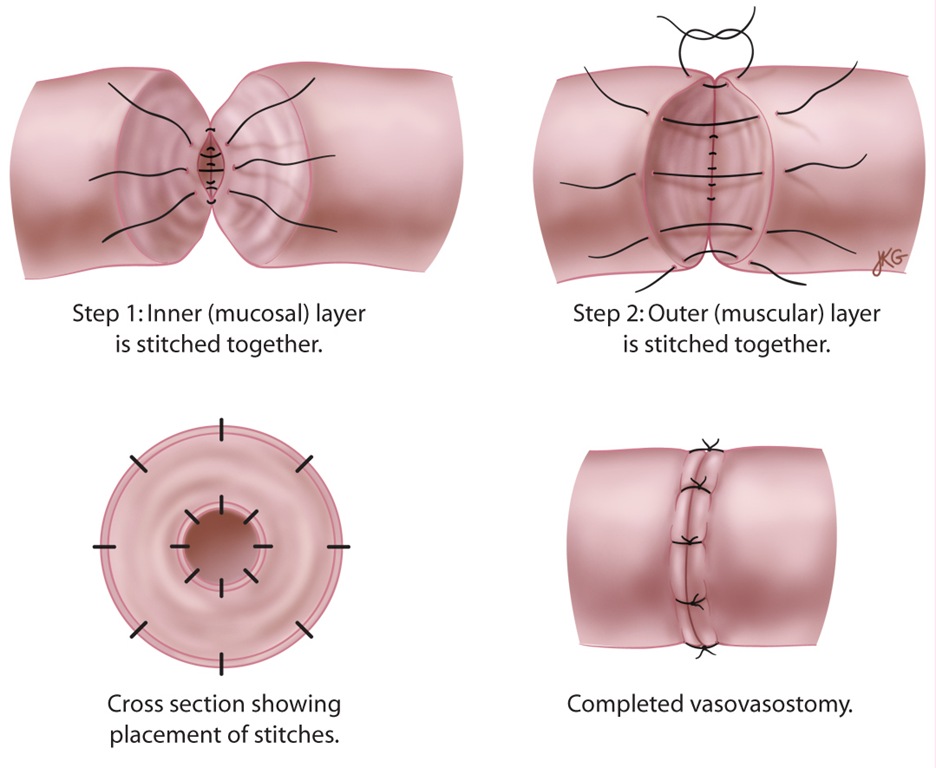
- Sperm Return Timeline: For most men, sperm returns to the semen within 1 to 3 months after vasovasostomy (direct vas deferens reconnection). For those undergoing vasoepididymostomy (connection to the epididymis), it may take 6 months or longer.
- Sperm Quality: It may take several months for sperm count and motility to reach optimal levels. Regular semen analyses are typically performed to monitor progress.
- Natural Conception Window: Many couples conceive naturally within 6 to 12 months after reversal, especially if the surgery was performed within 10 years of the original vasectomy.
Factors That Influence Time to Pregnancy
Several variables affect how quickly a couple can conceive after vasectomy reversal:
- Time Since Vasectomy: Success rates and speed of conception tend to be higher if the reversal occurs within 10 years of the original vasectomy.
- Age of Both Partners: Female fertility also plays a major role. A partner under the age of 35 generally increases the likelihood of a quicker conception.
- Surgeon’s Skill: The experience and technique of the surgeon significantly impact the procedure’s success and recovery timeline.
- Presence of Antisperm Antibodies: Some men may develop antibodies that affect sperm function post-vasectomy, potentially influencing fertility outcomes.
When to Consider Further Evaluation
If pregnancy has not occurred within a year after reversal, it may be time for further evaluation:
- Semen Analysis: Check sperm count, motility, and morphology regularly after surgery.
- Partner’s Fertility Testing: A gynecologic evaluation may be needed to rule out contributing factors.
- Assisted Reproduction: Options such as IUI or IVF may be considered in cases where natural conception doesn’t occur despite the return of sperm.
Final Thoughts
While many couples achieve pregnancy within the first year after a vasectomy reversal, timelines can vary. Understanding the factors that influence fertility and maintaining open communication with your urologist can help guide your expectations and next steps.
Schedule a Consultation Today
If you’re exploring vasectomy reversal in NYC, connect with a specialist who can walk you through your options and help maximize your chances of a successful outcome.
Yaniv Larish, MD
4 East 76th Street
New York, NY 10021
(646) 862-5500