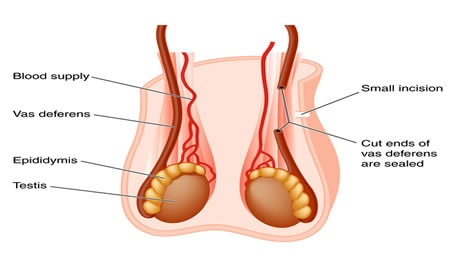
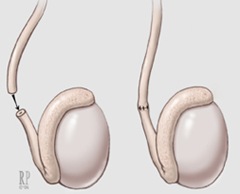
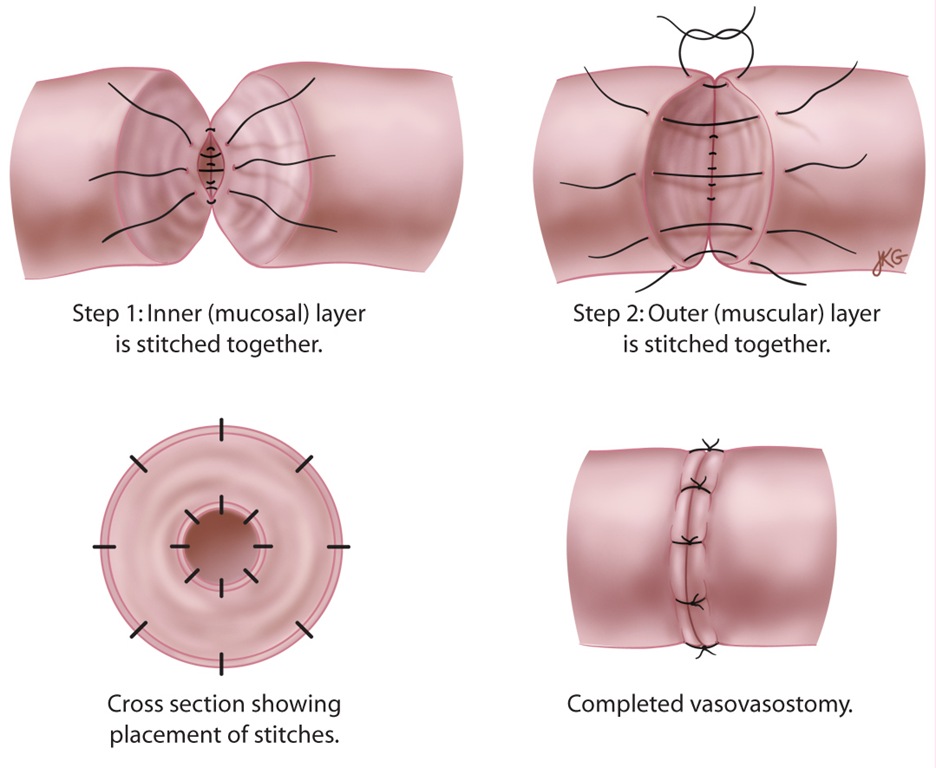
 Semen analysis after a vasectomy reversal is one of the most important tools your urologist uses to determine whether the procedure has successfully restored fertility. Although the surgery reconnects the reproductive tract, only a semen analysis can confirm whether sperm have returned to the ejaculate and evaluate their quality. Understanding what these results mean can help you and your partner know what to expect as you work toward achieving pregnancy.
Why Semen Analysis Is So Important
Following a vasectomy reversal, your body needs time to heal before sperm can travel through the newly reconstructed vas deferens. Even after a technically successful surgery, sperm production, transport, and quality may take several months to stabilize.
A semen analysis provides objective information about whether the reversal is functioning properly and whether additional evaluation or treatment may be necessary.
- Confirms Surgical Success: The presence of sperm in the semen indicates that the repaired reproductive tract is open and functioning.
- Monitors Recovery: Repeated testing allows your physician to monitor improvements in sperm count and quality over time.
- Guides Fertility Planning: Results help determine whether natural conception is likely or whether additional fertility treatments should be considered.
When Is the First Semen Analysis Performed?
The timing of the first semen analysis depends on the type of vasectomy reversal that was performed and your surgeon’s postoperative protocol.
- After Vasovasostomy: The first semen analysis is typically performed about 6 to 8 weeks after surgery.
- After Vasoepididymostomy: Because healing and sperm transport may take longer, testing may begin approximately 2 to 3 months after surgery.
- Follow-Up Testing: Additional semen analyses are usually scheduled every few months until sperm counts stabilize.
What Does a Semen Analysis Measure?
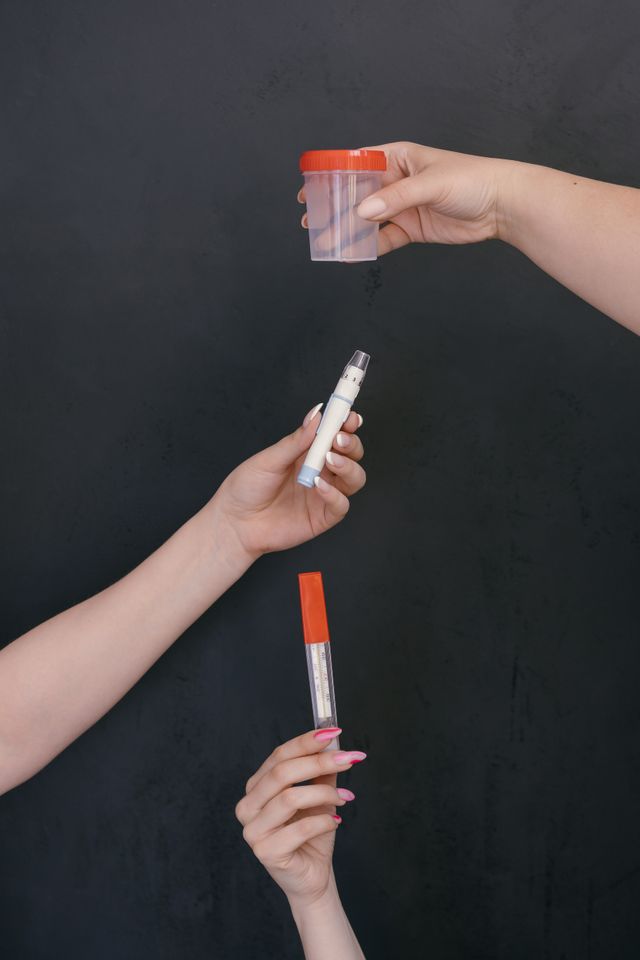 A comprehensive semen analysis evaluates multiple characteristics of the semen and sperm, providing valuable insight into male fertility.
- Sperm Concentration: Measures the number of sperm present in each milliliter of semen. Higher concentrations generally improve the likelihood of conception.
- Total Sperm Count: Calculates the total number of sperm in the entire ejaculate.
- Sperm Motility: Evaluates how well sperm move. Progressive forward movement is essential for sperm to travel through the female reproductive tract and fertilize an egg.
- Sperm Morphology: Assesses the size and shape of sperm. A higher percentage of normally shaped sperm is associated with improved fertility.
- Semen Volume: Measures the amount of semen produced during ejaculation. Low volume may indicate partial obstruction or issues involving the seminal vesicles or prostate.
- Liquefaction Time: Determines how quickly semen changes from a gel-like consistency into a liquid after ejaculation.
- White Blood Cells: Elevated white blood cell counts may suggest inflammation or infection within the reproductive tract.
Understanding Your Results
It is important to remember that a single semen analysis provides only one snapshot in time. Sperm production naturally fluctuates, and recovery after vasectomy reversal is often gradual.
- Normal Results: Good sperm count, motility, and morphology indicate that fertility has likely been restored.
- Low Sperm Count: Counts often improve during the first several months after surgery as healing continues.
- Poor Motility: Slow-moving sperm may improve over time, especially as inflammation resolves.
- Abnormal Morphology: Sperm shape may gradually normalize as new sperm are produced following surgery.
- No Sperm Present (Azoospermia): The absence of sperm may indicate delayed healing, scar tissue formation, or persistent blockage that requires further evaluation.
Factors That Can Affect Semen Analysis Results
Numerous factors influence sperm quality following vasectomy reversal.
- Time Since Vasectomy: Men who undergo reversal sooner after their vasectomy often experience quicker return of sperm.
- Surgical Technique: Microsurgical procedures generally provide the highest rates of successful sperm return.
- Overall Health: Chronic illnesses, obesity, smoking, excessive alcohol use, and certain medications may negatively affect sperm quality.
- Age: While many older men successfully regain fertility, sperm quality can gradually decline with age.
- Recovery Compliance: Following post-operative instructions, including activity restrictions, supports optimal healing.
Can You Improve Your Semen Analysis Results?
Although surgical success is the most important factor, healthy lifestyle choices may help optimize sperm quality during recovery.
- Maintain a Healthy Diet: Foods rich in antioxidants, zinc, selenium, and omega-3 fatty acids support healthy sperm production.
- Exercise Regularly: Moderate physical activity promotes overall health without overheating the testicles.
- Avoid Tobacco and Recreational Drugs: Smoking and drug use have been associated with reduced sperm quality.
- Limit Alcohol Consumption: Excessive alcohol intake may negatively affect testosterone levels and sperm production.
- Avoid Excess Heat: Frequent use of hot tubs, saunas, or prolonged laptop use directly on the lap may temporarily reduce sperm production.
When Additional Fertility Evaluation May Be Needed
If semen analyses continue to show poor sperm quality or no sperm after several months, additional testing may be recommended.
Your physician may perform hormonal testing, repeat physical examinations, imaging studies, or discuss assisted reproductive options if appropriate. In some cases, repeat surgery or sperm retrieval combined with in vitro fertilization (IVF) may be considered, depending on the underlying cause.
Conclusion
Semen analysis after a vasectomy reversal is one of the most valuable indicators of surgical success and future fertility. By monitoring sperm count, motility, morphology, and other key measurements, your physician can evaluate your recovery and recommend the most appropriate next steps. Patience is essential, as sperm quality often continues to improve during the first year after surgery. Regular follow-up testing and close communication with your urologist help maximize your chances of achieving a successful pregnancy.
Schedule a Consultation
If you’re considering a vasectomy reversal or would like to learn more about semen analysis and fertility after surgery, schedule a consultation with Dr. Larish to discuss your options and develop a personalized treatment plan.
Yaniv Larish, MD
4 East 76th Street
New York, NY 10021
(646) 862-5500