 Vasectomy reversal after 15 or 20 years is still possible, and a long interval since the original vasectomy does not automatically mean that fertility cannot be restored. Modern microsurgical techniques have allowed many men to regain sperm in the ejaculate even decades after a vasectomy. However, longer intervals can increase the likelihood of secondary obstruction and the need for a more complex reconstruction, making the experience and microsurgical capabilities of the surgeon particularly important.
Why the Time Since Vasectomy Matters
The number of years between vasectomy and reversal is known as the obstructive interval. In general, the longer this interval becomes, the greater the possibility of changes within the male reproductive tract.
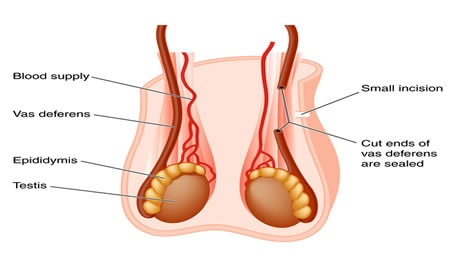
The testicles continue producing sperm after a vasectomy. Because sperm can no longer travel through the divided vas deferens, increased pressure may eventually contribute to obstruction within the epididymis. This is one reason a reversal performed after 15 or 20 years can be more technically complicated than one performed several years after vasectomy.
- Under 10 Years: Direct reconnection of the vas deferens is frequently possible, although the appropriate procedure is ultimately determined during surgery.
- 10–15 Years: Successful reversal remains very achievable, but the possibility of an epididymal obstruction begins to increase.
- 15–20 Years: More men may require a vasoepididymostomy rather than a straightforward vasovasostomy.
- 20+ Years: Reversal remains possible, but advanced microsurgical experience becomes increasingly important because secondary obstruction is more likely.
Studies of men with long obstructive intervals have demonstrated that substantial patency rates—the return of sperm to semen—can still be achieved even after 20 years.
Vasovasostomy vs. Vasoepididymostomy
One of the most important aspects of a long-term vasectomy reversal is determining which reconstruction is required.
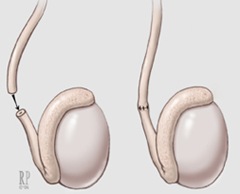
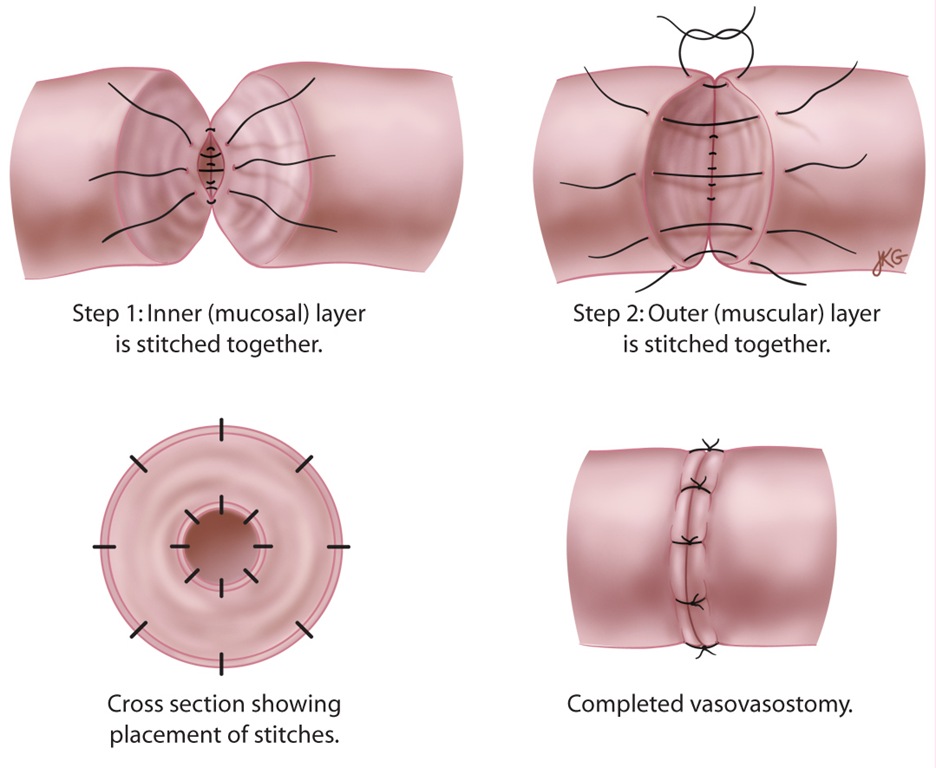
- Vasovasostomy: The two divided ends of the vas deferens are directly reconnected using microsurgical sutures.
- Vasoepididymostomy: If a secondary epididymal obstruction has developed, the vas deferens is connected directly to a tiny epididymal tubule, bypassing the blockage.
The surgeon usually cannot make the final decision between these procedures until the vas deferens is examined during surgery. Fluid from the testicular end of the vas is evaluated for sperm and other characteristics. Depending on these findings, a vasovasostomy, vasoepididymostomy, or occasionally a different procedure on each side may be necessary.
What Are the Success Rates After 15 or 20 Years?
It is important to distinguish between patency and pregnancy when discussing vasectomy reversal success.
Patency means sperm have returned to the ejaculate. Pregnancy depends on additional factors involving both partners.
Published studies demonstrate meaningful success even after prolonged obstructive intervals. One study reported patency/pregnancy rates of 87%/36% for reversals performed 16–19 years after vasectomy and 75%/27% at 20 years or longer. Another large series found favorable semen parameters and average patency above 90% among men with obstructive intervals exceeding 10 years, although results vary considerably between studies and patient populations.
These figures demonstrate an important point: 15 or 20 years after vasectomy is not automatically “too late” for reversal.
Why Microsurgical Experience Becomes Especially Important
Long-interval vasectomy reversals can require more advanced reconstruction. A surgeon performing these procedures should therefore be capable of performing both vasovasostomy and vasoepididymostomy.
- Microscopic Precision: An operating microscope allows extremely small structures to be identified and accurately reconstructed.
- Intraoperative Decision-Making: The surgeon must evaluate vasal fluid and determine the appropriate reconstruction during the operation.
- Vasoepididymostomy Experience: This technically demanding procedure requires connecting the vas deferens to an extremely small epididymal tubule.
- Delicate Suturing: Microsurgical sutures permit precise alignment while minimizing unnecessary tissue trauma and scarring.
Research indicates that favorable outcomes after long obstructive intervals can be achieved when surgeons are proficient in both major microsurgical reversal techniques.
Your Partner’s Fertility Is Also Important
The age and reproductive health of the female partner can be just as important—or more important—than the number of years since the vasectomy when considering the likelihood of pregnancy.
A study specifically examining reversals performed at least 15 years after vasectomy found pregnancy rates varied substantially according to female partner age. This means couples should consider fertility as a shared issue rather than focusing exclusively on the man’s vasectomy history.
- Female Age: Natural fertility declines with increasing age, particularly during the later reproductive years.
- Ovarian Reserve: Fertility testing may help determine whether waiting for natural conception after reversal is appropriate.
- Other Fertility Conditions: Ovulation disorders, tubal disease, endometriosis, and other conditions can influence pregnancy even when the reversal successfully restores sperm.
Should You Choose Reversal or IVF After 20 Years?
A long interval since vasectomy does not automatically mean IVF is the better option. The decision between microsurgical reversal and sperm retrieval combined with IVF/ICSI depends on the circumstances of both partners.
Vasectomy reversal may be particularly attractive when the female partner has good fertility potential, the couple wants more than one child, and natural conception is preferred. Once a successful reversal restores sperm to the semen, couples can potentially conceive naturally multiple times without repeating fertility procedures.
IVF with sperm retrieval may deserve stronger consideration when female fertility factors already make IVF necessary or when reproductive age makes time particularly important.
What Happens After a Long-Term Vasectomy Reversal?
Postoperative semen analysis is used to determine whether sperm have returned to the ejaculate. The timing can differ depending on whether a vasovasostomy or vasoepididymostomy was necessary.
- Initial Healing: Physical activity and sexual activity are restricted during the early recovery period to protect the reconstruction.
- Semen Testing: Semen analyses monitor sperm concentration, motility, and other fertility parameters.
- Continued Monitoring: Sperm counts may change during the months following surgery, making follow-up testing important.
- Pregnancy Planning: Once sperm have returned, couples can discuss the appropriate timing for natural conception attempts.
Is 15 or 20 Years Too Long to Wait?
For many men, the answer is no. A vasectomy performed 15, 20, or even more years ago does not necessarily prevent successful reversal. Although longer obstructive intervals can increase surgical complexity and pregnancy rates may decline, modern microsurgical reconstruction can still restore sperm to the semen in a substantial percentage of appropriately selected patients.
The most important step is an individualized evaluation that considers the original vasectomy, the obstructive interval, both partners’ reproductive health, and the couple’s family-building goals.
Schedule a Consultation
If you had a vasectomy 15 or 20 years ago and are considering restoring your fertility, Dr. Yaniv Larish can evaluate your individual circumstances and discuss whether microsurgical vasectomy reversal is an appropriate option.
Yaniv Larish, MD
4 East 76th Street
New York, NY 10021
(646) 862-5500