Preparing mentally and physically for your vasectomy reversal is an important step that can help improve your overall experience and recovery from the procedure. While vasectomy reversal is a highly specialized microsurgical operation designed to restore fertility, the preparation phase plays a key role in ensuring the best possible outcome. Understanding what to expect, how to prepare your body, and how to approach the process mentally can make the journey smoother for both you and your partner.

Understanding the Procedure and Setting Realistic Expectations
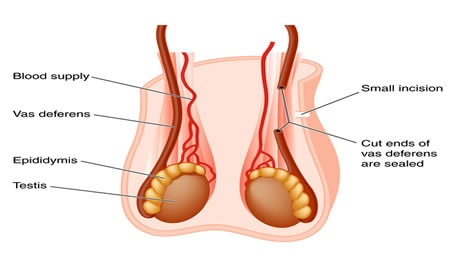
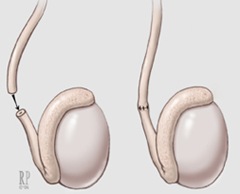
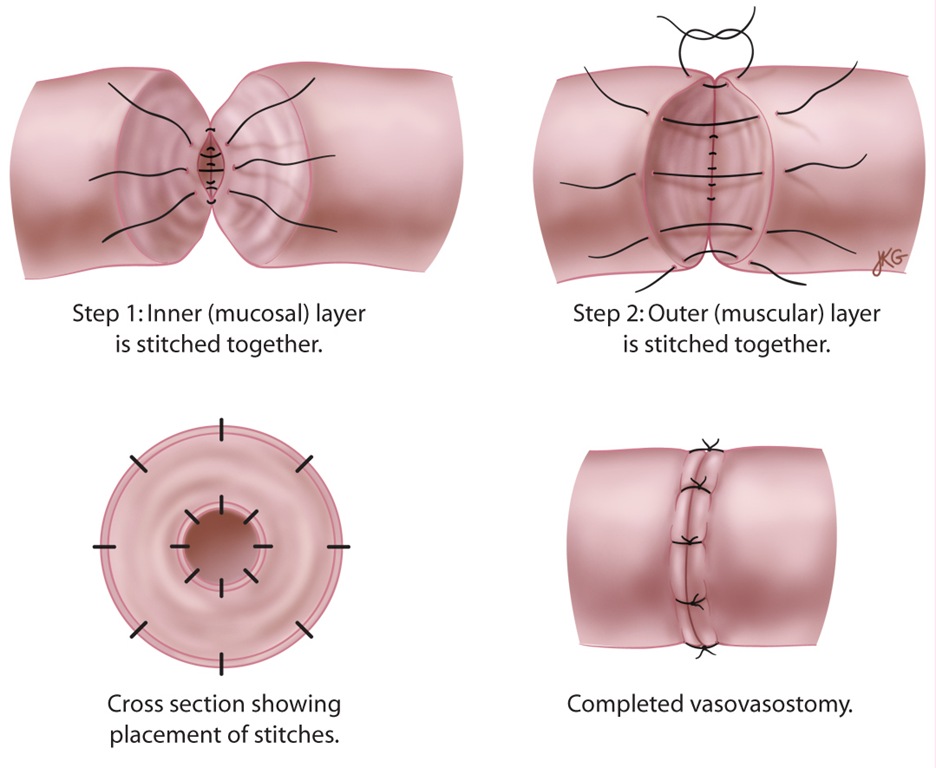
One of the most important parts of preparation is understanding how vasectomy reversal works and what results are realistic. The procedure reconnects the vas deferens, allowing sperm to once again travel from the testicles into the semen. While many patients achieve successful outcomes, fertility restoration depends on factors such as the time since the original vasectomy, overall reproductive health, and the surgical technique used.
- Success Rates Vary: While many men regain sperm in their semen after surgery, achieving pregnancy also depends on the fertility of both partners.
- Recovery Takes Time: Sperm may return to the ejaculate within a few months, but it can take longer for counts and motility to improve.
- Patience Is Important: Conception often occurs within the first year after reversal, but timelines can differ for each couple.
Preparing Physically for Surgery
Improving your physical health before surgery can support better healing and optimize fertility potential after vasectomy reversal. Doctors often recommend several lifestyle adjustments before the procedure.
- Maintain a Healthy Weight: A balanced diet and regular exercise can improve overall health and surgical recovery.
- Avoid Smoking and Excess Alcohol: Both can negatively impact sperm production and healing.
- Follow Pre-Surgical Instructions: Your surgeon may ask you to stop certain medications or supplements before surgery.
- Arrange Post-Surgery Support: Plan for transportation home and allow time off from strenuous activities.
Mental and Emotional Preparation
The decision to pursue vasectomy reversal often carries emotional significance for both partners. Being mentally prepared can help reduce anxiety and create a more positive experience throughout the process.
- Open Communication: Discuss expectations and concerns with your partner before the procedure.
- Understand the Journey: Fertility restoration may take time, and maintaining patience can help reduce stress.
- Focus on the Goal: Many couples pursue reversal as a hopeful step toward expanding their families.
Planning for Recovery
Preparing your home and schedule ahead of time will make recovery easier and more comfortable. Most patients recover well, but taking precautions during the early healing phase is essential.
- Take Time to Rest: Avoid heavy lifting and strenuous activity for several weeks.
- Wear Supportive Garments: A supportive undergarment can reduce swelling and discomfort.
- Attend Follow-Up Visits: Semen analysis tests are typically performed after surgery to monitor sperm return.
Partner Involvement in the Process
Vasectomy reversal is often part of a shared fertility journey. Including your partner in consultations and discussions can help both individuals feel informed and prepared.
- Discuss Fertility Goals: Ensure both partners understand potential timelines for conception.
- Consider Fertility Testing: In some cases, evaluating the female partner’s fertility can help guide expectations.
- Provide Emotional Support: Encouragement and communication can help both partners navigate the process together.
Taking the Next Step Toward Fertility
Preparing mentally and physically for your vasectomy reversal can help you approach the procedure with confidence and clarity. By understanding the process, improving your health habits, and maintaining open communication with your partner and medical team, you can set yourself up for the best possible experience and outcome.
Schedule a Consultation
If you are considering vasectomy reversal and want to learn more about preparing for the procedure, a consultation with a specialist can help answer your questions and guide you through the process.
Yaniv Larish, MD
4 East 76th Street
New York, NY 10021
(646) 862-5500